Maybe We All Need a Miracle
Note: This article was published in the High Point Enterprise, February 7, 2026
OK, I’m a little nostalgic. Or maybe too optimistic. But I own it.
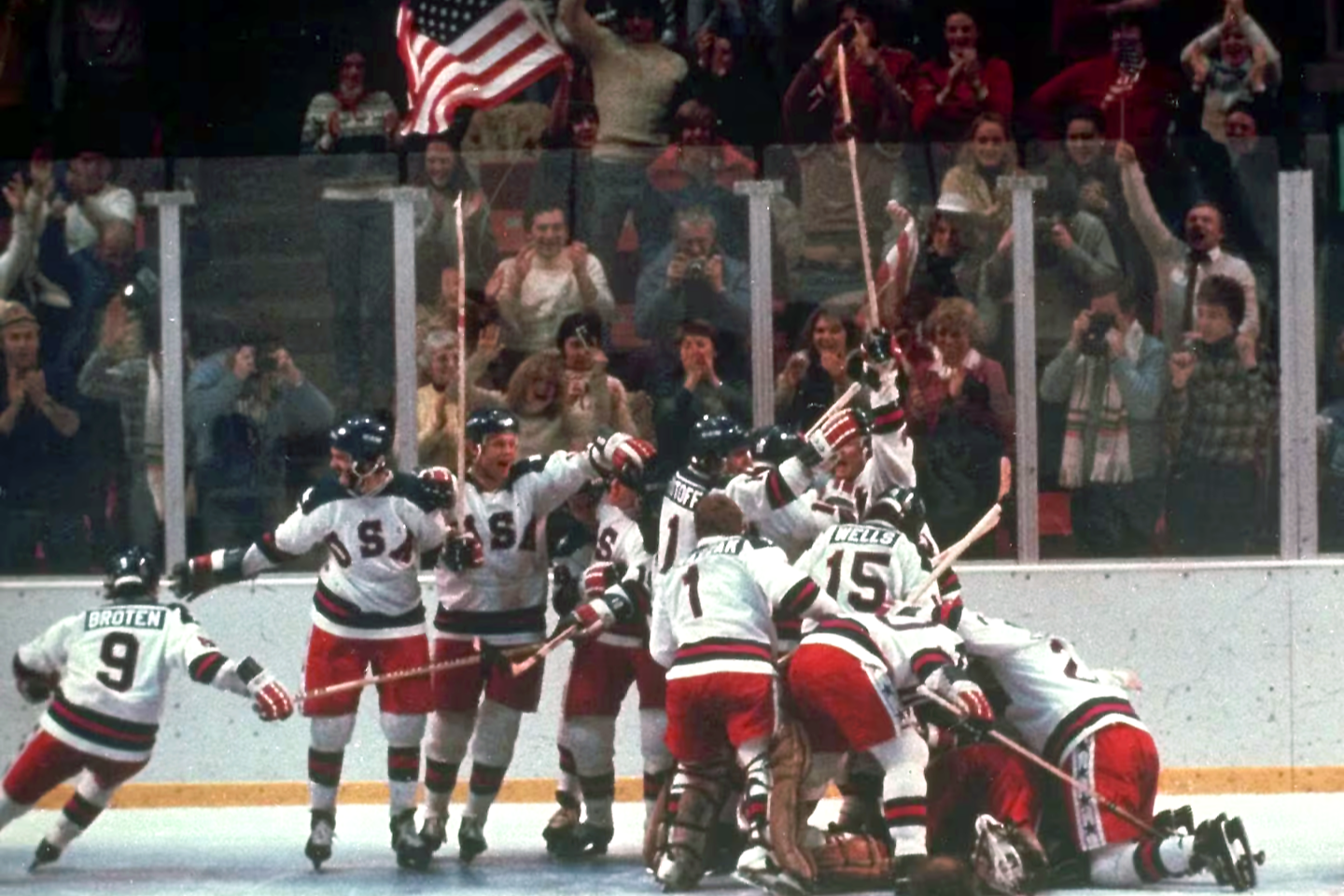
With renewed attention on the 1980 U.S. Olympic hockey team—sparked by a 2026 Netflix documentary and the older Disney film Miracle—I’ve found myself reflecting on more than just one of the greatest upsets in sports history.
I was about to enter high school when the United States defeated the heavily favored Soviet team at the 1980 Winter Olympics. Like many young people at the time, I was coming of age during the Cold War, when the contrast between the Soviet Union and the United States was understood less through policy debates and more through competing visions of freedom, opportunity, and civic life. Those differences weren’t abstract; they shaped how we saw the world and our place in it. That moment—and others like it—helped define how many of us understood citizenship, responsibility, patriotism, and service. It even planted early seeds of my own interest in joining the Marine Corps years later.
What stays with me now isn’t just the miracle win, though it was a big one; it’s what that moment represented. The country was anxious. Confidence was low. The Cold War felt real and personal. And yet, for a brief moment, Americans across political, regional, and cultural lines were united—not by outrage or fear, but by shared purpose. We weren’t debating who deserved credit or which side was right. We were simply pulling for something together.
I really miss that. Again, I’m nostalgic.
What we often forget is that the “Miracle on Ice” was rooted in preparation, discipline, humility, and belief—belief that ordinary people, properly prepared and aligned around a common mission, could rise to an extraordinary moment.
Herb Brooks didn’t lead that team through bravado. He led through clarity of purpose, relentless discipline, and a willingness to challenge conventional ideas about what “qualified” meant. He wasn’t searching for the biggest names or the players who looked unbeatable on paper. He was looking for the right ones—young men who could be shaped into a team, who would submit individual talent to collective responsibility. They trusted the process. They accepted their roles. And they understood that representing their country meant putting the whole ahead of the self.
That’s a leadership lesson worth remembering.
In an era marked by deep division and constant noise, leadership too often mistakes volume for vision and credentials for character. We reward individual performance without asking whether it strengthens the whole. We rally people against one another more easily than we rally them toward something shared.
The “Miracle on Ice” reminds us that unity doesn’t require uniformity. That team didn’t succeed because everyone thought alike or brought equal talent. They succeeded because they aligned around a mission and accepted discipline as the price of excellence. That model extends far beyond sports.
In our communities, our institutions, and our civic life, the most effective leadership still looks the same: clear purpose, steady preparation, respect for others, and the courage to choose the right people—not just the most impressive ones—to carry the work forward.
For those of us who grew up during that era, the “Miracle on Ice” wasn’t just a game. It was a reminder of who we believed we were—and what we were capable of when we acted together. We don’t need to recreate the Cold War to rediscover that sense of unity. But we do need leaders willing to trade spectacle for substance, and citizens willing to support leadership that asks more of us than applause.
Maybe we all need a miracle—not in the sense of an impossible upset, but in the quieter discipline of leadership that brings people together around shared goals, shared effort, and shared responsibility. That lesson hasn’t expired. Perhaps we’ve just stopped practicing it.
Now, I’m no Herb Brooks. But I do believe we still have it in us to offer something meaningful to the next generation—if we’re willing to lead with vision, discipline, humility, and shared purpose. There can’t be much that is more important than that, especially today.
High Point Enterprise - February 7-8, 2026