Articles, Publications, Case Studies, and Interviews

The Box We Forget We’re In
Every September, we relearn the same lesson, and every September, some of us forget it again by October. I was over a year into my transition from my brand development/marketing firm and nonprofit management, but I remember it like it was yesterday. I remember exactly where I was. In my company office, gathered with my staff in our reception area, watching it unfold live on TV; the kind of watching where your body understands before your mind catches up. I had eleven employees at the time and at some point that morning, I made the only call that made sense: I sent everyone home to be with their families. It was overwhelming in a way that doesn’t translate into a clean sentence.
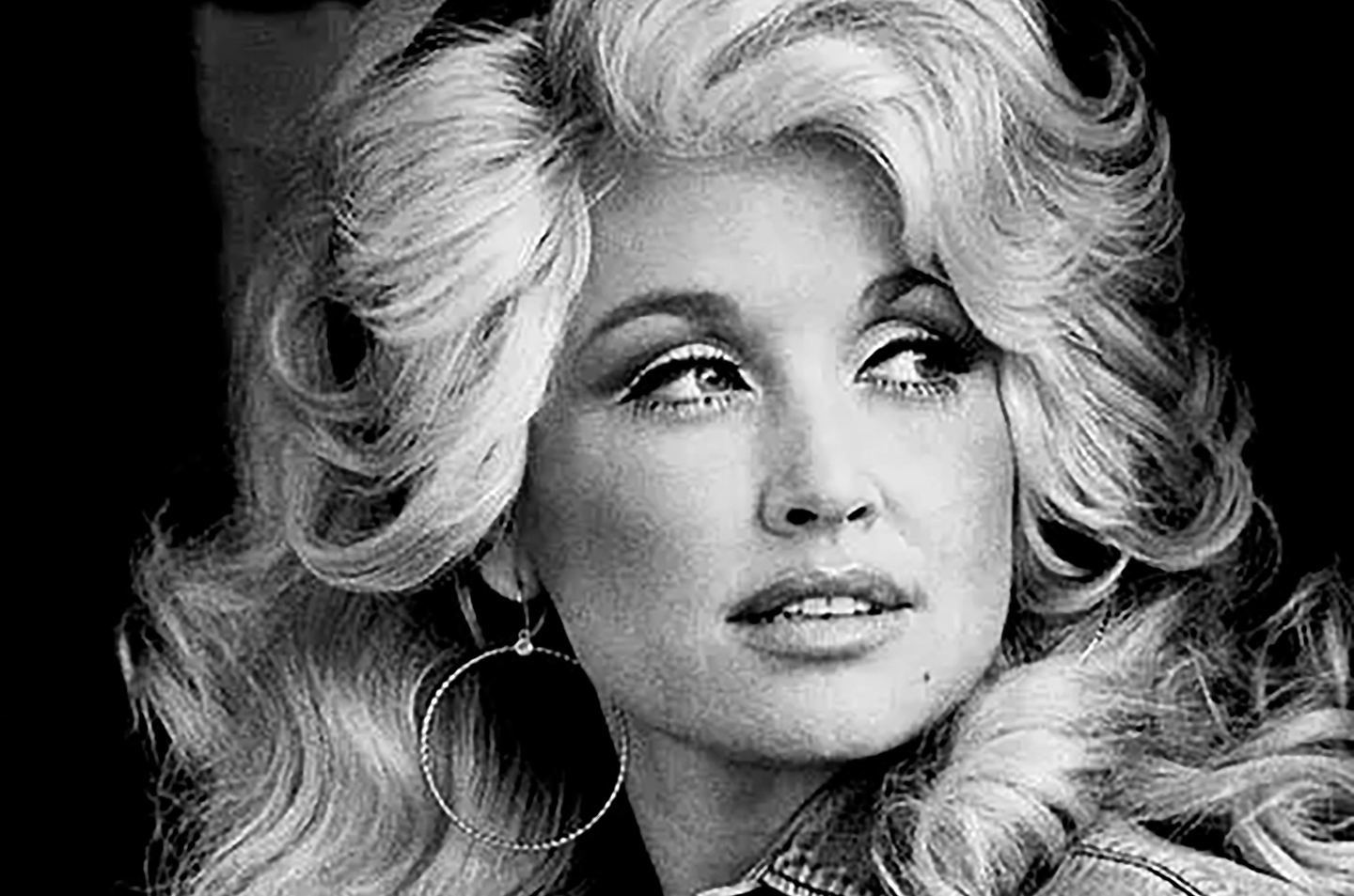
Saint Dolly: What We Owe Each Other
I’ve had to sit with this. Sit with the news, then sit with my own reaction to it, which arrived faster and heavier than I expected. I’ve spent the last day trying to find words that could keep pace with what I was feeling, and mostly failing. It’s a strange thing to try to explain; how someone you’ve never met, someone you’re not kin to in any way that would hold up on paper, can still land a blow like that in real time. I’m still unpacking it. Part of what I’ve landed on is this: the line I’ve used to introduce myself for more than a decade—at speaking engagements, to groups, to new friends, including at a meeting the evening before she passed: “I was raised in the backdrop of the Great Smoky Mountains, under the influence of Saint Dolly Parton.”

FIFA World Cup 2026: When the World Shows Up, Something Beautiful Happens
Something happened in Boston a couple of weeks ago that stopped me in my tracks. It was cool. An estimated 50,000 Scottish fans—kilts, bagpipes, red John McGinn jerseys, and all—descended on a city already steeped in Irish-American pride and turned it into something neither city had ever quite experienced before. They marched through the streets singing. They took over Fenway Park alongside Red Sox Nation on “Scottish Heritage Celebration Night.” They put traffic cones on the heads of statues. They cheered a local cop as he juggled a soccer ball. They ran the bars out of Tennent’s Lager so completely that Sam Adams ran dry, too. And through all of it—the noise, the volume, the sheer joyful takeover of the city—there was not a drop of anger, not a moment of ugliness.

What a Trillion Dollars Actually Means
This month, for the first time in human history, one person became a trillionaire. And I keep thinking about that instinct—the one that showed up with helping hands before anyone had to ask, that mowed the widow’s lawn without making a thing of it, that passed the word along quietly when a family couldn’t keep the lights on—because I don’t think most of us, myself included, actually understand what a trillion dollars is. Not really. Not in our bodies, the way we understood a neighbor in need. Headlines moved on fast, the way headlines do. But I don’t think we should move on so fast, because if we did the math on what that number actually means, I think it would put that same small-town instinct to a test it has never faced before.
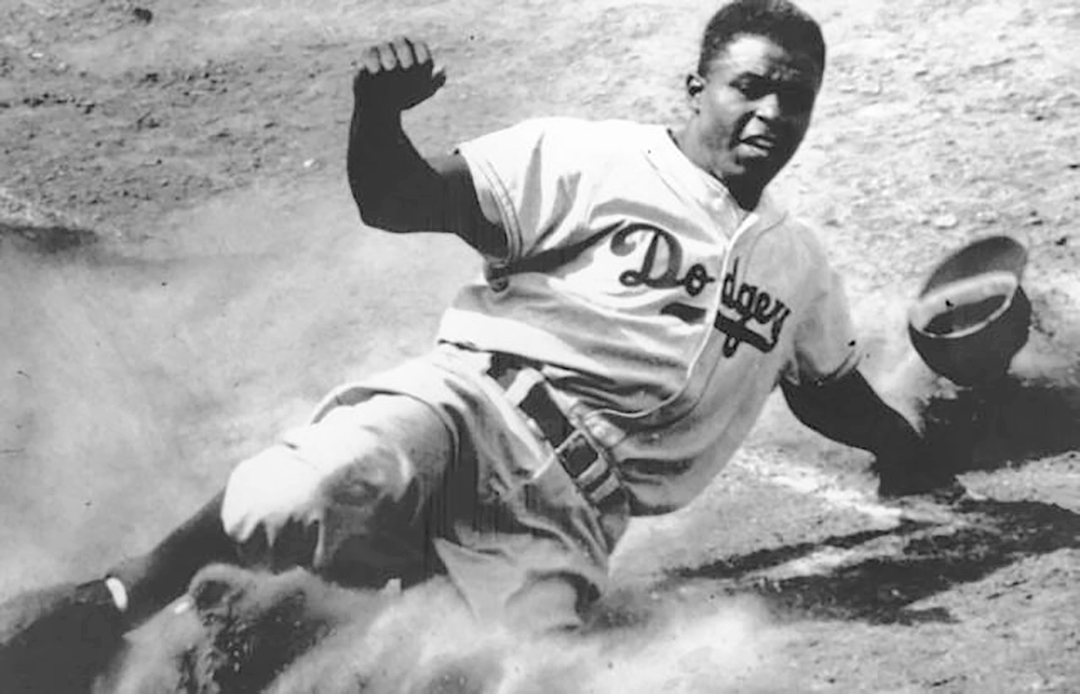
The Necessity of Hustle
Jackie Robinson once said that a life is not important except in the impact it has on other lives. He understood hustle the way few ever have—not as ambition, but as defiance. Every base he stole, every insult he absorbed without flinching, every season he showed up when the world was telling him not to, was a testament to what hustle costs when the current is working against you. I’ve thought about that a lot. And I’ve thought about my grandfather.

Leadership Is Always Teaching
I have said for years, in conversations, small groups, boardrooms, and fellowship halls alike: what you do and what you say matters. I believed it when I was running startups. I believed it when I was teaching. I believed it when I shifted to nonprofit management years ago. I believe it now more than ever as I lead an expanding regional organization. Because here is what I have learned (and relearned) over time: leadership is always teaching, even when you are not trying to.
The Discipline of Patience in a Results-Driven World
We live in a culture that rewards immediacy—quarterly earnings, instant metrics, viral moments, rapid responses. If something cannot be measured quickly, we often question whether it matters at all. But the most important work—the work that shapes communities, families, and futures—rarely operates on a quarterly timeline. It operates on a generational one.
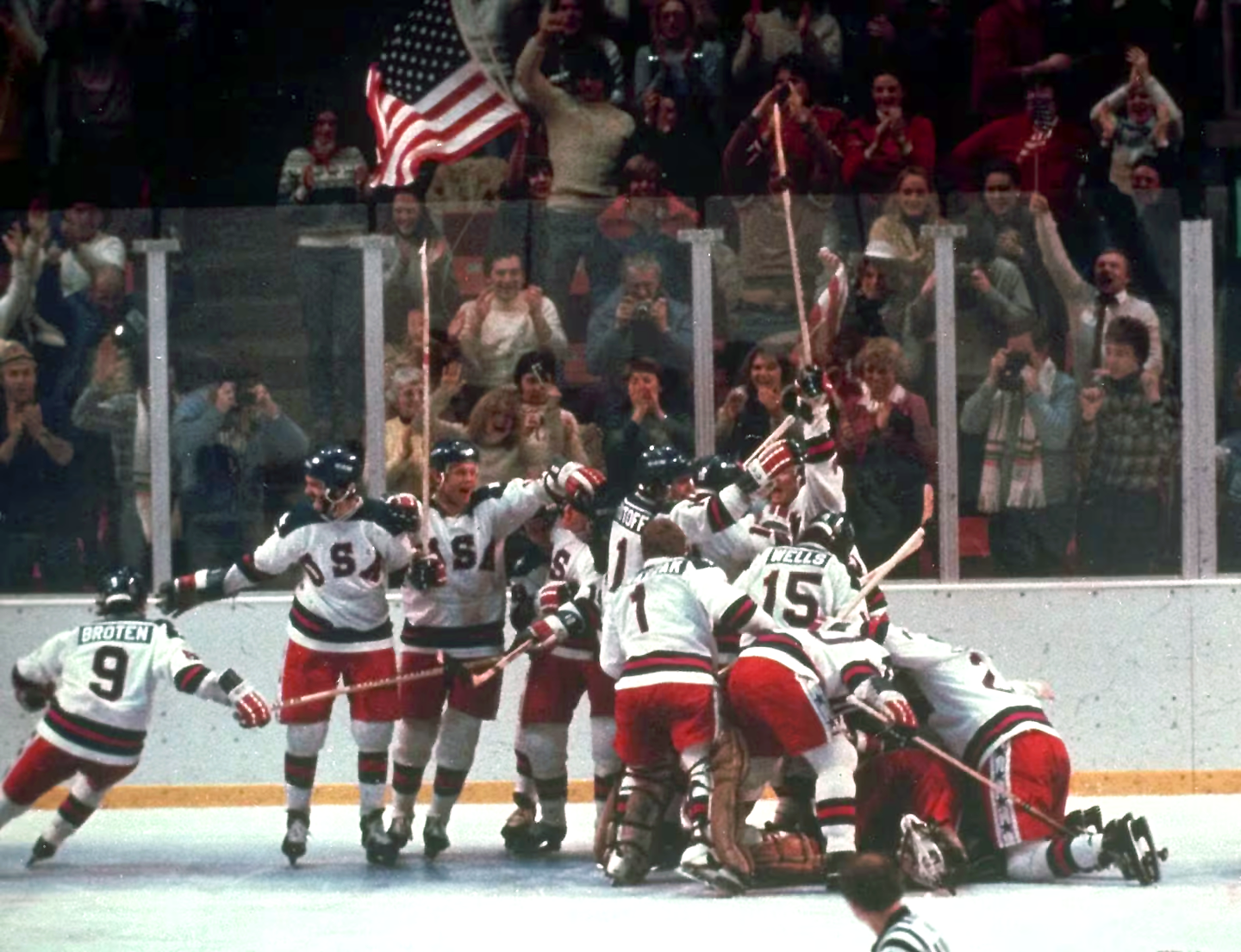
Maybe We All Need a Miracle
With renewed attention on the 1980 U.S. Olympic hockey team—sparked by a 2026 Netflix documentary and the older Disney film Miracle—I’ve found myself reflecting on more than just one of the greatest upsets in sports history. I was about to enter high school when the United States defeated the heavily favored Soviet team at the 1980 Winter Olympics. Like many young people at the time, I was coming of age during the Cold War, when the contrast between the Soviet Union and the United States was understood less through policy debates and more through competing visions of freedom, opportunity, and civic life.

The Quiet Discipline of Doing the Right Thing
There is a version of leadership that draws attention to itself—loud, decisive, and often rewarded quickly. And then there is another version—quieter, steadier, and far less visible—that rarely earns applause but shapes lives all the same. I’ve come to believe the second version matters more. Doing the right thing consistently requires discipline. Not the kind that seeks recognition, but the kind that holds its ground when progress is slow, resistance is real, and no one is keeping score. It is a discipline rooted in responsibility rather than performance.

When Power Forgets Restraint
Over the past few weeks, our country has been shaken by the deaths of two Americans in Minneapolis: Renée Nicole Good and, most recently, Alex Pretti, a VA nurse who cared for veterans and showed up to stand with his community. Let us not forget that countless others—especially people of color—have lost their lives to unjust force long before these recent events, and that their names and stories deserve our attention and remembrance as well. Both Good and Pretti lost their lives during encounters involving federal immigration enforcement and public protest.
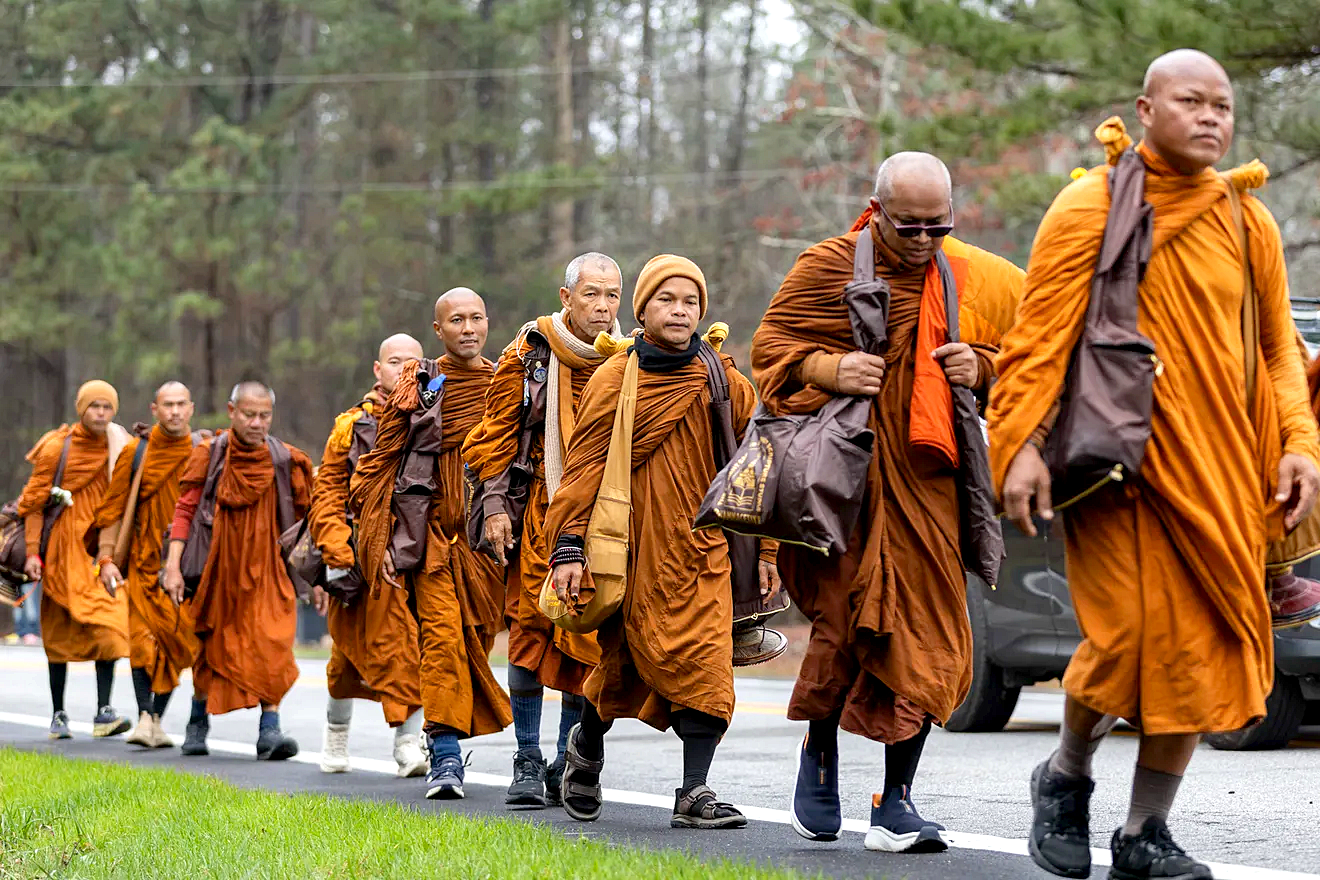
The Long Game: Why Doing Good Rarely Looks Impressive at First
The Buddhist monks’ long walk toward Washington, D.C. has quietly captured the attention of many—and reminded me of something important. There are moments in our shared life when progress does not arrive with urgency or spectacle, but through movement that is slow, deliberate, and sustained. Real change often looks less like a breakthrough and more like a long walk—taken step by step, without certainty about how far the road will stretch ahead.

Collective Responsibility in Uncertain Times
There are moments in our shared life when something cuts through the noise and reminds us how fragile the human project really is. This is especially true in times of moral tragedy—through loss, grief, a collective pause, or the experience of broken justice. When the ground feels unsteady, certainty can feel reassuring. This is where the myth of singular leadership takes hold.

Flying High
There was a season of my life when I spent a lot of time on airplanes. Flying across Oregon, Washington, Idaho, Alaska, and parts of Canada, you cover vast stretches of land. The Greater Northwest reveals mountains, rivers, forests, wilderness, and long expanses where towns appear only as small clusters of light. If you’re paying attention, something happens up there at 30,000 feet. The world you left behind—meetings, deadlines, titles, expectations—shrinks. What felt heavy begins to loosen its grip.

Be Kind. Do Good.
The United States of America has always been an experiment—one built on lofty ideals but marred by deep divisions. Slavery, racism, and systemic inequities have long been part of our story. We’ve had moments of progress toward justice and equality, but today it feels like many of those gains have been rolled back ten steps. I fear that the promise of the American experiment is at risk—not because our ideals have changed, but because we have stopped choosing to live them out.

When Our Young People Lose Out, We Lose Out
Last Monday, our Boys & Girls Clubs of Greater High Point received news that no youth-serving organization ever wants to hear: our federal Title IV funding through the 21st Century Community Learning Centers program has been put on hold by the current administration. As I shared with the High Point Enterprise in this article, this pause threatens vital services for some of our community’s most vulnerable kids.

Why Every Young Person Deserves a Champion
Every neighborhood has a child standing at the edge of possibility—waiting not just for opportunity, but for someone to believe in them. Opportunity is not a given for too many young people in underserved communities. But belief? That can change everything.

What the Data Can’t Tell You About Community Impact
Data has become the go-to currency for proving progress in an age of dashboards, impact reports, and heat maps. We chase metrics with urgency—percentages of improvement, test scores that inch upward, budget efficiency models that tell funders their dollars “worked.” And yes, numbers matter. But data, on its own, is profoundly incomplete.
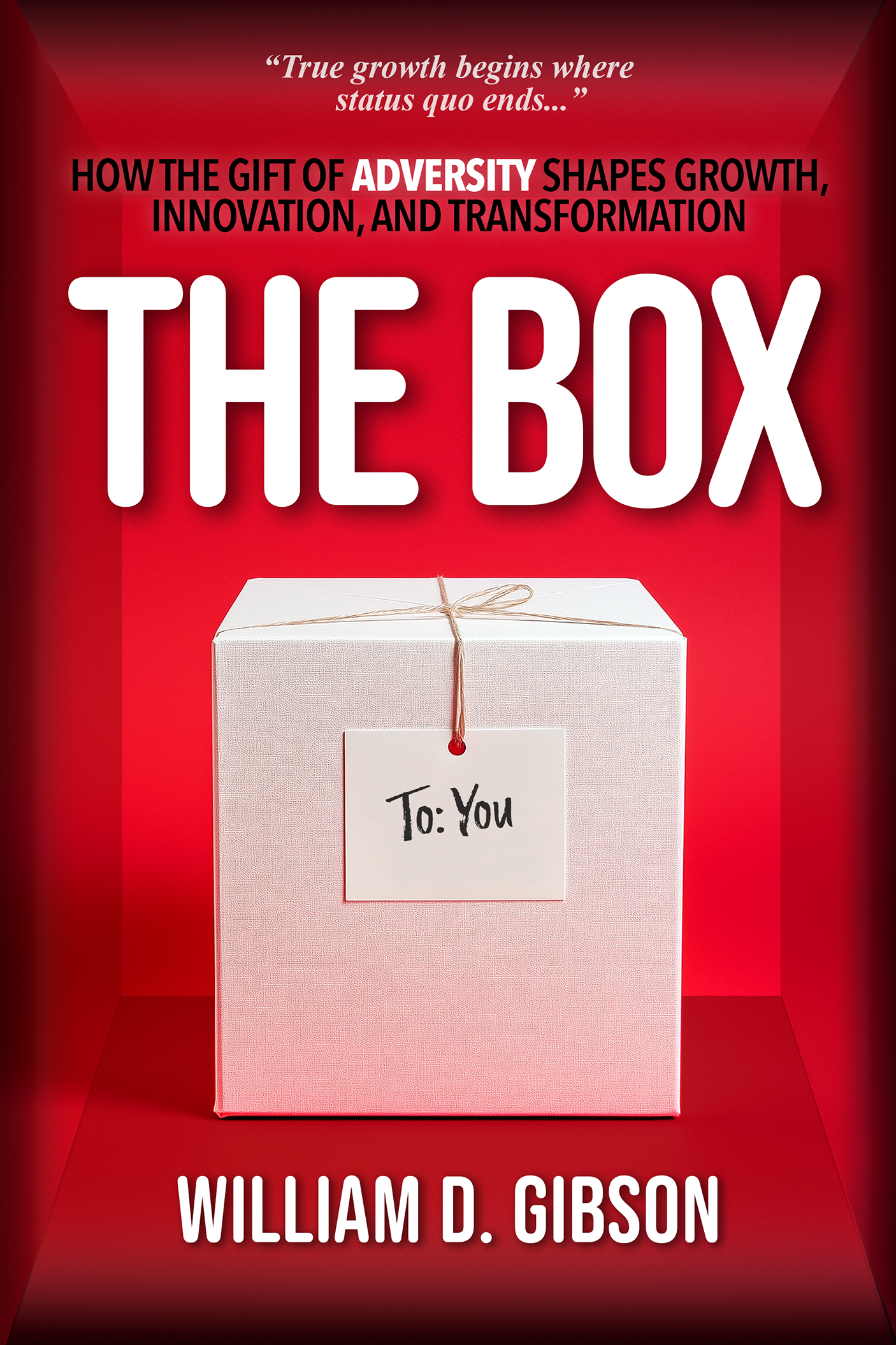
Unboxing Adversity: My New Book Is Almost Here
I’m thrilled to announce the upcoming release of my new book, The Box: How the Gift of Adversity Shapes Growth, Innovation, and Transformation. This book is a deeply personal and practical exploration of how the challenges we face—what I call "the box"—can become the fuel for our growth and reinvention. It’s about more than just bouncing back. It’s about breaking out.

A Leader of Light: Remembering Pope Francis and the Church He Tried to Heal
I woke early on Easter Monday to the news that Pope Francis had died. Though I am not Catholic, the weight of that headline hit me in the chest. It was not just the death of a man—it felt like the dimming of a rare light in a church that too often casts shadows.

Time for a New Play: Driving Innovation in the Nonprofit Sector by Turning Disruption into Opportunity
In a time of compounding challenges—economic instability, systemic inequities, and technological acceleration—the nonprofit sector is being called to evolve faster and more effectively than ever before. Traditional models of service delivery, funding, and impact measurement are being pushed to their limits. But for organizations willing to embrace disruption, this moment is also ripe with opportunity.