The Necessity of Hustle
Note: A version of this article was published in the High Point Enterprise, March 22, 2026
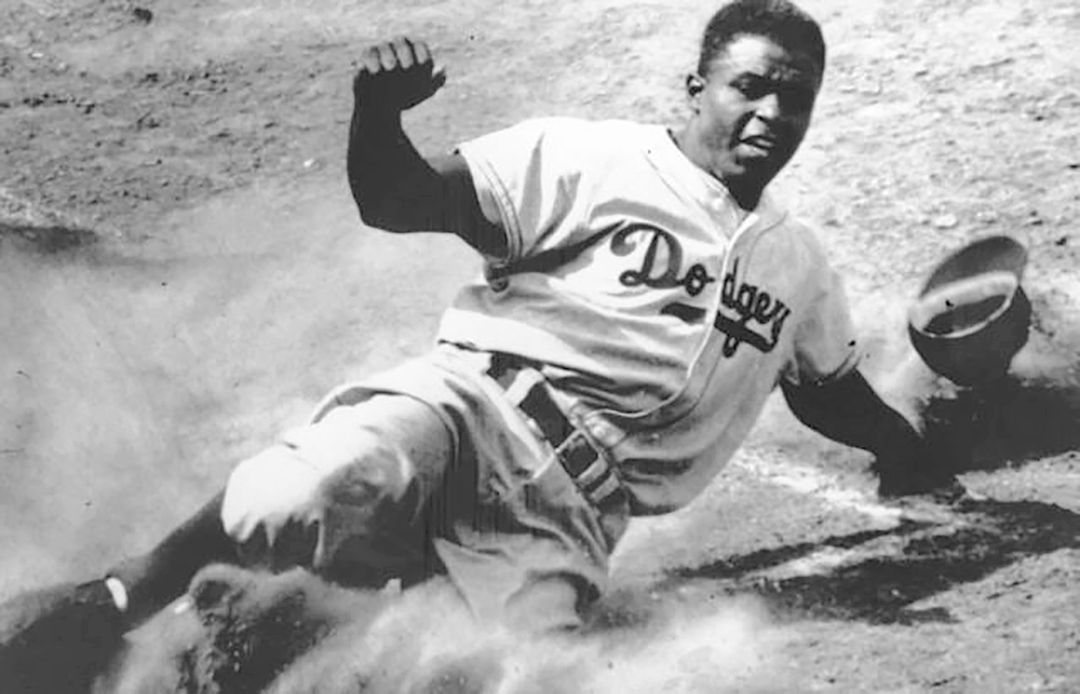
Jackie Robinson once said that a life is not important except in the impact it has on other lives. He understood hustle the way few ever have—not as ambition, but as defiance. Every base he stole, every insult he absorbed without flinching, every season he showed up when the world was telling him not to, was a testament to what hustle costs when the current is working against you. I’ve thought about that a lot. And I’ve thought about my grandfather.
My grandfather, John Tee Hicks, played independent baseball in the 1920s and 30s—never a contract or a marquee, just a love of the game and the grit to keep showing up. Family legend says my first word wasn’t the traditional tip to my parents. It was “ball.” I’m told he lit up when he heard it. I think he knew something then that would take me years to fully understand.
I was a small kid who loved sports—especially baseball and football. I didn’t have size, but I had something coaches kept pointing back to: I wasn’t afraid to hit or get hit. I was always hustling. (Coach Greene saw that fire, called it out by name, and made sure I knew it mattered, regardless of my size.) When football was no longer viable in high school, I pivoted to soccer. Same energy, different field. My dad’s math was simple: if talent was the hand you were dealt, hustle was how you played it.
I absorbed that early at the Boys Club. If I’m honest, sports are what drew me there—I wasn’t exactly fond of school. But a tutor at the Club found me and helped me understand why academics mattered. That stuck. I carried all of it into work at fourteen, picking up trash and sorting hangers at Belk department store while my mother signed the work permit. When that shift ended, there was always something else—putting up hay, working tobacco, mowing yards, whatever would put a few dollars in my pocket. You didn’t wait for someone to hand it to you.
I took all of it into the Marine Corps, where hustle stopped being a personal trait and became a leadership philosophy. The Corps also gave me a pathway to becoming a first-generation college graduate. That same foundation later underwrote the startups I led or helped build.
And I thought, for a long time, that I understood hustle as well as anyone could.
I was wrong.
The hustle I learned was real. But it was never weighted by the same gravity that hustling carries for most people of color. I was moving hard, but not against a current engineered to resist me. I wasn’t navigating hiring managers who saw my name before my qualifications. I wasn’t calculating whether my zip code would disqualify me at the door. I wasn’t stretching two jobs and a side hustle across childcare and groceries because the system makes the margins thinner for some of us than others.
The necessity of hustle is not the same for everyone.
For too many people of color—in this country, in this region—hustle isn’t a philosophy. It’s a survival strategy with no off-ramp. The braiding business out of a kitchen. The lawn care operation launched on a weekend. The rideshare shift that starts after the day job ends. That’s not entrepreneurial romanticism—it’s a response to a wealth gap built over generations to limit mobility for Black and Brown communities. The hustle is admirable. Its necessity should give us all pause.
Today I work in a region where nearly 40,000 young people face barriers tied to poverty, inequity, and access—kids who walk through our doors carrying that weight. What I want for them isn’t to hustle harder. That’s not ambition; that’s an expectation dressed up as inspiration. What I want is for them to have access to conditions that make hustle generative rather than merely necessary. Safe spaces. Caring mentors. Real academic rigor. Career pathways that they can actually see themselves in.
Jackie Robinson understood something about hustle that most of us will never fully appreciate. He didn't just play the game—he carried the weight of a nation’s resistance on every base path, in every dugout, through every season. His hustle wasn’t just effort; it was defiance, dignity, and determination compressed into every at-bat. He performed at the highest level while navigating a current that was deliberately designed to stop him. That’s a different kind of hustle, and it deserves more than our admiration.
My grandfather had the privilege to play the sport he loved. I inherited his love of the game, my father’s mandate to hustle, and, somewhere along the way, the honesty to reckon with the fact that the hustle that shaped me and the hustle that shapes the kids we serve don’t start from the same place.
That gap matters. Naming it matters. And the most powerful thing I can do with my hustle now isn’t prove it—it’s use it in the service of kids for whom the stakes have always been higher than they ever were for me.
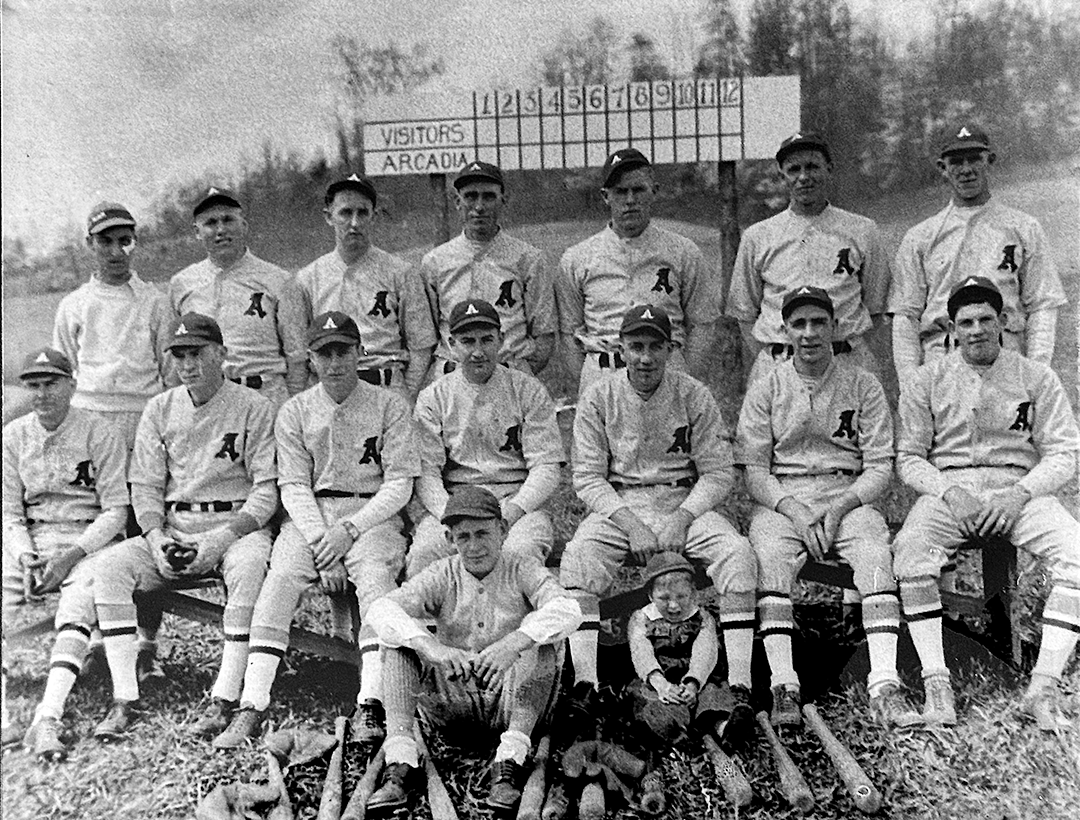
My grandfather, John Tee Hicks, is front row, left, on the end. He played shortstop.