Saint Dolly: What We Owe Each Other
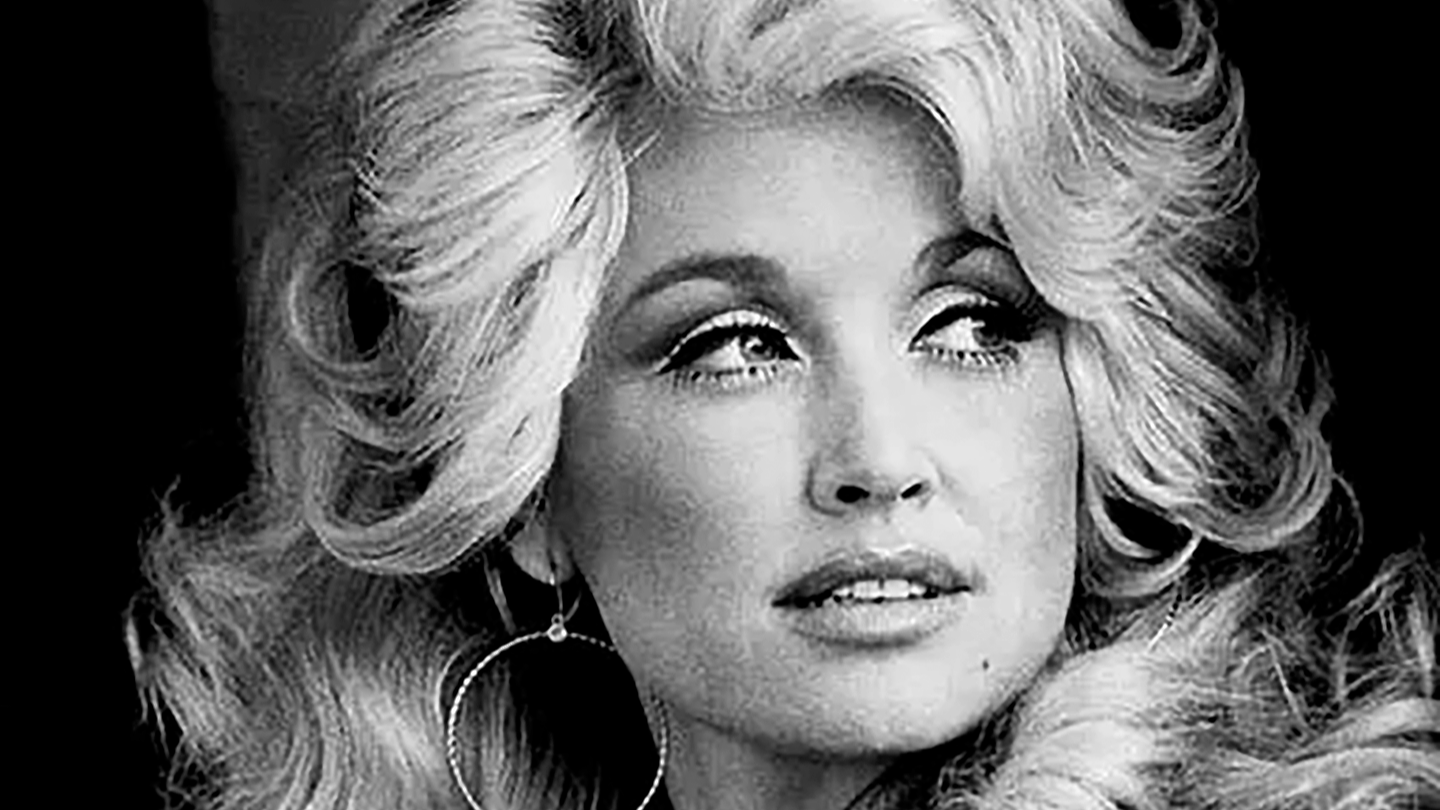
I’ve had to sit with this. Sit with the news, then sit with my own reaction to it, which arrived faster and heavier than I expected. I’ve spent the last day trying to find words that could keep pace with what I was feeling, and mostly failing. It’s a strange thing to try to explain; how someone you’ve never met, someone you’re not kin to in any way that would hold up on paper, can still land a blow like that in real time. I’m still unpacking it.
Part of what I’ve landed on is this: the line I’ve used to introduce myself for more than a decade—at speaking engagements, to groups, to new friends, including at a meeting the evening before she passed: “I was raised in the backdrop of the Great Smoky Mountains, under the influence of Saint Dolly Parton.”
I didn’t know, when I said it, that it would be the last time I’d do so while she was still alive. Dolly wasn’t family. But she raised the bar for what it means to belong to a place and a people, and what it means to steward whatever you’re given on behalf of the people who come after you. That word—steward—is the one I keep landing on. Not celebrity. Not icon, even though she was both. Steward. Somebody who understood that everything she was granted or that she earned—talent, money, a platform seen by hundreds of millions of people—belonged, at least in part, to somebody other than herself.
A place that shapes you
I was born and raised in East Tennessee. While I now live and work in North Carolina, the Smokies still pull me back, and some part of me never really left. I remember when Dollywood was still Silver Dollar City, before Dolly and her partners rebuilt it into what it is today. I’m reminded of the smell of corndogs in Gatlinburg on an eighth-grade field trip, the crowded sidewalks, the fudge shops. I remember countless hikes and camping trips through the Great Smoky Mountains; the particular quality of light that falls through that many trees, the sound the creeks make in early spring. Dolly was woven through all of it, so constant a presence that I never had to stop and notice her. She was simply part of the air I grew up breathing.
That distinction matters more than nostalgia. Where we come from shapes what we believe we owe the people around us. Dolly climbed further than almost anyone from our region ever has, and she never once acted as if the climb released her from responsibility to the people still standing where she started. She understood, better than most people who reach that level of success, that it isn’t something you keep. It’s something you’re temporarily entrusted with, on behalf of everyone who won’t get the same shot unless somebody with more than they need decides to share it.
Love without exception
What I loved most about Dolly wasn’t the music (though I loved that too). It was that she treated love and compassion as things you do, not things you feel or perform, and she refused to ration that love based on who was asking for it.
She said as much, over and over, across five decades. Asked in 2023 about accepting LGBTQ+ people, she put it plainly: “We’re supposed to accept people. We’re not supposed to judge and criticize.” She’d been saying some version of that since long before it was safe or popular for a country star from East Tennessee to say it; publicly backing marriage equality years ahead of national consensus, and defending transgender people against legislation aimed at excluding them.
In 2020, when the country was in the streets after George Floyd’s death, an interviewer asked where she stood. She didn’t hedge. “Of course Black lives matter,” she said. Two years earlier, she’d quietly renamed her “Dixie Stampede” dinner show once she understood what the word evoked for Black audiences, not because anyone forced her to, but because she’d rather fix a thing than defend it.
None of that cost her the trust of people who disagreed with her ideologically. That’s the part worth sitting with. She never framed her compassion as a partisan position. She framed it as a baseline standard for how you treat people—full stop, no asterisk, no exceptions carved out for whoever made her fans uncomfortable that week. Love, in her hands, wasn’t a stance you took. It was simply what you owed people, on principle, whether or not it was convenient.
A kind of quiet kinship
This is the part I’ve had the hardest time naming, so bear with me while I try.
Part of what I’m grieving, I think, isn’t just Dolly. It’s the loss of a particular kind of company. For more than two and a half decades, I’ve tried to live and lead in a way that bends toward inclusion, toward people who get left out of the room, toward the belief that dignity shouldn’t be conditional. That’s not always an easy thing to hold onto out loud where I’m from. There’s a version of East Tennessee that doesn’t leave much space for those convictions to be spoken plainly, and there’s a quieter, more private version of holding them anyway, where you learn to look for evidence that you’re not the only one, even if nobody’s saying so directly.
Dolly was some of that evidence. Not because she ever asked to be, and not because she was making an argument; she wasn’t, in my opinion. She just kept being who she was, in public, from right where she grew up, for the world to see. It turned out that who she was reflected a version of love wide enough to cover people I’ve spent my career trying to make more room for. I don’t know that we ever would have called ourselves kindred on paper. But there was a kind of affirmation in watching someone with that much standing in this specific place refuse to make her compassion conditional. It made the work feel a little less lonely and more kindred. Losing her feels, in some small way, like losing a piece of that company.
What she built, and what it cost her to build it
When wildfires tore through Sevier County, TN, in November 2016, killing fourteen people and destroying or damaging more than 2,400 homes, Dolly and the Dollywood Foundation launched the My People Fund within forty-eight hours. Individual donations poured in—more than a million dollars within the first day—and a benefit telethon pushed the total to $12 million. The fund gave $1,000 a month to every displaced family, regardless of income, for five months, with a final $5,000 check once the fund closed out; nearly $9 million reached roughly 900 families directly. What remained went to Mountain Tough Recovery Team, the local organization built to carry the region’s recovery forward long after the fund itself wound down. She showed up in person to hand some of those final checks over herself, which tells you this wasn’t a foundation issuing statements from a distance. It was personal, because to her, it was.
That same instinct—see the need, move fast, make it personal, build something that lasts—showed up in her $1 million gift to Vanderbilt University Medical Center in 2020, which helped fund the early research behind Moderna’s COVID-19 vaccine. It showed up most of all in the Imagination Library, the program she started in 1995 in honor of her father, who never learned to read. By the time of her death on Tuesday, August 25, 2026, it had mailed 332,411,218 books—and counting—to children from birth to age five, in all fifty states and several countries, no strings attached.
None of that giving was loud or branded as redemption. It was infrastructure. Dolly wasn’t managing a moment; she was stewarding a system built to keep working long after any single check cleared or any single news cycle moved on.
Proof that the dream still works
Dolly’s own story was, quite literally, the American Dream; one of twelve children born into a one-room cabin, who built an empire on the strength of a guitar, a voice, and a stubborn refusal to be told what a girl from Sevier County was allowed to become. That arc mattered to her enough that she spent the second half of her life trying to make it possible for other kids, too—kids who have no reason yet to believe their own dreams are anything but a long shot.
I think about that every time I think about the young people I get to serve. Most of them are carrying a version of the same long odds Dolly carried out of that cabin, and most of them have no way of knowing yet whether the odds will bend in their favor. What she built—a book mailed every month, a check that showed up the week a family lost everything, a hospital wing funded in a stranger’s honor—was evidence. Proof, delivered in the most concrete terms possible, that somebody believed their dream was worth investing in before they’d done a single thing to earn it. That’s what good stewardship actually produces: not just relief in the moment, but permission for a kid to believe their own story might still bend upward.
The responsibility she leaves behind
Dolly Parton’s death is a genuine loss, and I’m allowing myself to feel that fully. But I don’t think grief is the only honest response to a life built the way hers was. Her life was also a testament—that who you are and what you owe other people aren’t separate questions, that love has to show up as infrastructure and not just sentiment, that the place that raised you never stops being your responsibility no matter how far you climb, and that every dollar or hour or ounce of influence you’re given is on loan from the people who’ll need it after you.
Monday evening before Dolly passed, I told a room full of people, as I always do, that I was raised under her influence. I don’t think I’ll ever say that line the same way again. But I intend to keep saying it, and to keep asking myself, and the people I work alongside, whether we’re stewarding what we’ve been given the way she stewarded hers. Whether we’re building things sturdy enough to still be elevating kids and families ten years from now. That’s the influence worth passing on. Not the sainthood. The stewardship behind it.
That’s what we owe each other. Not a saint to admire. A standard to live up to.
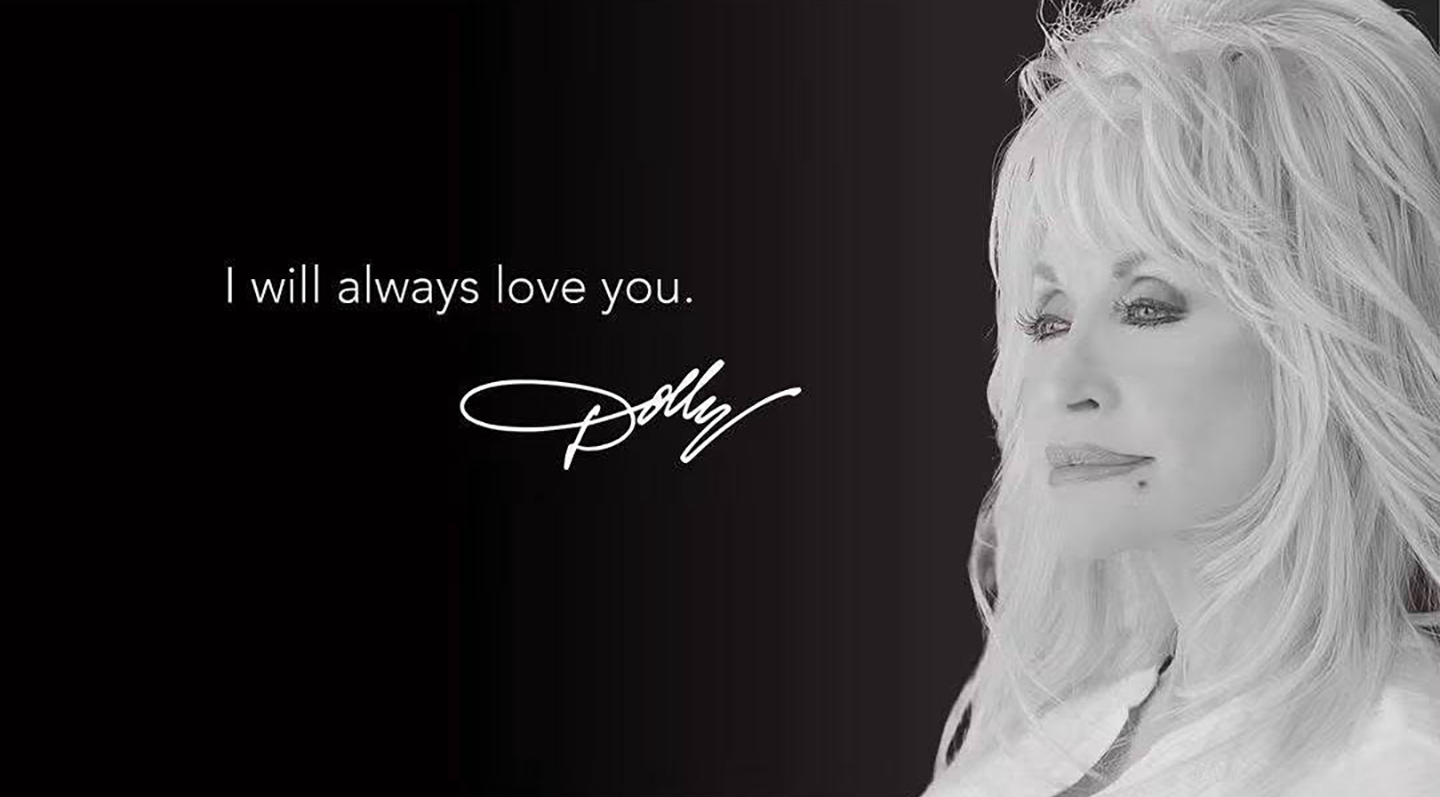
William D. Gibson is President & CEO of Boys & Girls Clubs of the Greater Triad (BGCTriad), serving youth across High Point, Greensboro, Winston-Salem, and the surrounding Core Region. He writes on leadership, community, and positive social change.
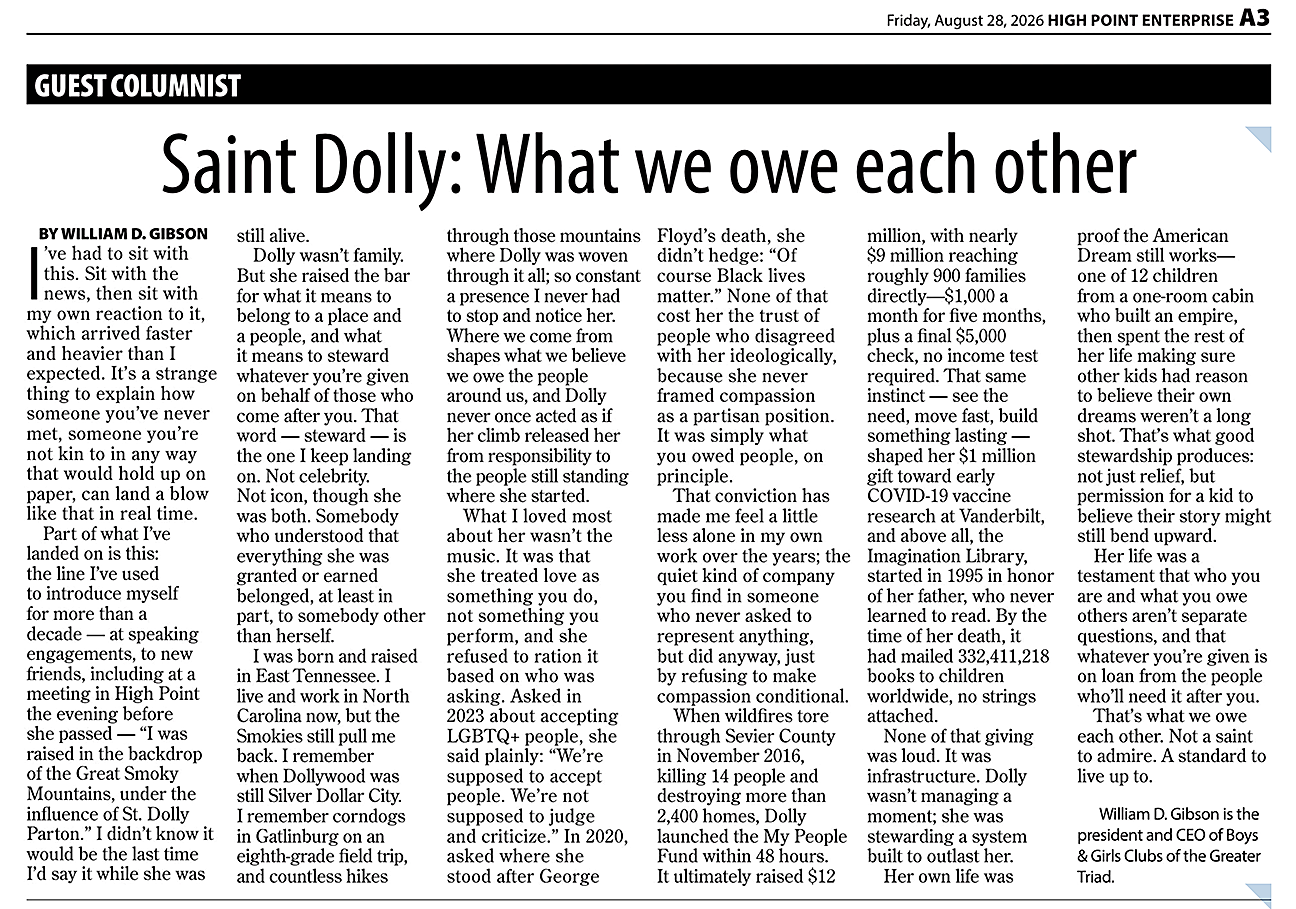
Thank you to the High Point Enterprise for publishing a version of this article on Friday, August 28, 2026.