When Power Forgets Restraint
Over the past few weeks, our country has been shaken by the deaths of two Americans in Minneapolis: Renée Nicole Good and, most recently, Alex Pretti, a VA nurse who cared for veterans and showed up to stand with his community. Let us not forget that countless others—especially people of color—have lost their lives to unjust force long before these recent events, and that their names and stories deserve our attention and remembrance as well. Both Good and Pretti lost their lives during encounters involving federal immigration enforcement and public protest. Whatever one believes about immigration policy or protest tactics, the loss of life in these circumstances should stop us cold.
As a former United States Marine, I was trained to understand power—how it is exercised, how it must be disciplined, and how restraint is not weakness but responsibility. I did not swear an oath to a person, a party, or an administration. I swore an oath to the Constitution and to the principles it protects.
That oath still matters to me.
The First Amendment is not conditional. The right to speak, assemble, and protest peacefully is not something granted only when it is convenient or comfortable. It exists precisely for moments of tension, disagreement, and moral urgency. When citizens exercising those rights are met with lethal force, something fundamental has gone wrong—regardless of intent, affiliation, or official explanation.
At the same time, violence of any kind—against officers, against civilians, against communities—is unacceptable. That truth holds without exception. But it is also true that when the state wields force, it carries a higher burden. Power backed by law, weapons, and authority must be held to the highest standard of accountability and restraint. I have many friends in the law enforcement community who are deeply troubled by the current events and recognize that what we are witnessing does not reflect the standards or values of local, state, or federal policing at its best. Anything less erodes public trust and places the very freedoms we claim to defend at risk.
What troubles me deeply is not only the loss of life, but the rhetoric that has followed—language that frames protest as terrorism, dissent as threat, and grief as disorder. History teaches us that when fear drives our language, dehumanization is never far behind. And once people are reduced to enemies rather than citizens, restraint becomes optional instead of essential.
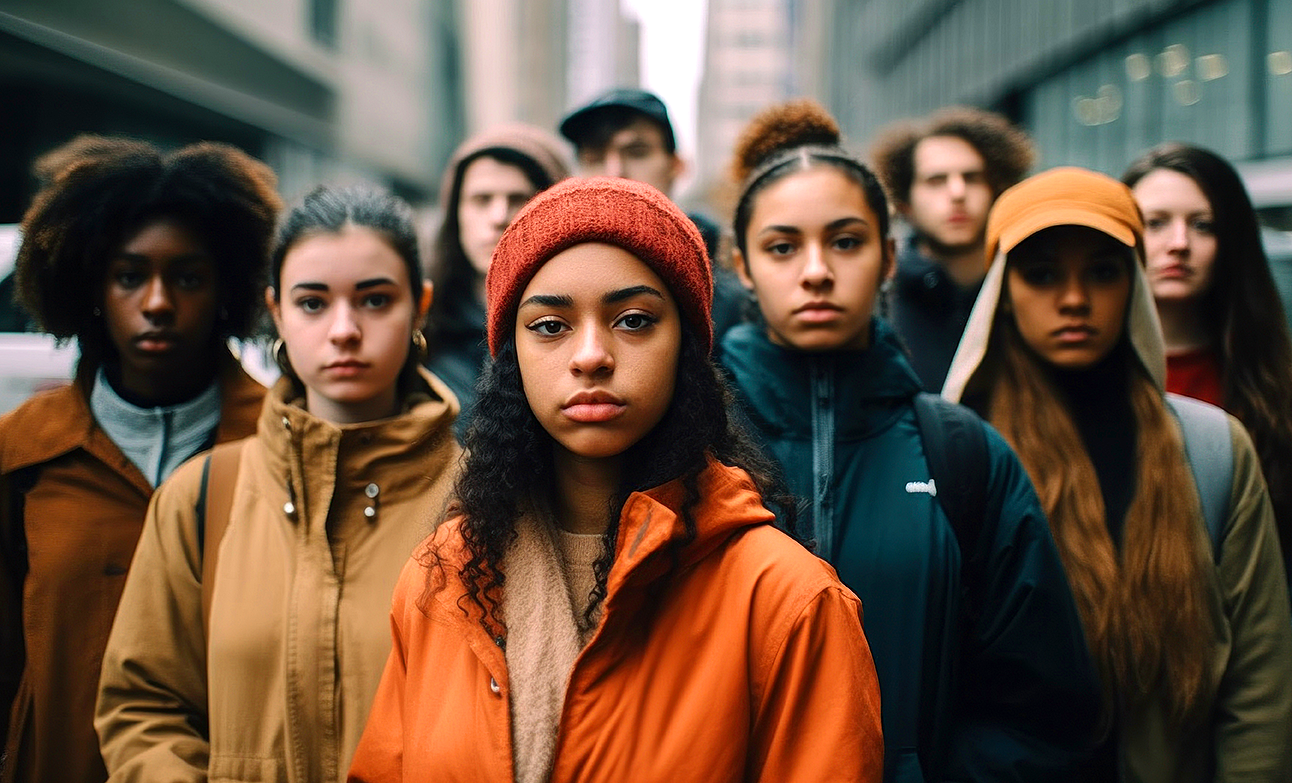
What I keep coming back to, though, is a quieter question—one that sits underneath all of this: What are we teaching our children? What are young people absorbing as they watch how power is exercised, how dissent is treated, and how human life is valued in moments of tension?
In my work with young people, I see every day how deeply they are paying attention. They are learning what citizenship looks like not just from textbooks, but from example. They are learning whether their voices matter, whether their hopes and dreams are worth protecting, and whether this country will show up for them with the same care we ask of them in return.
If we want young people to believe in democracy, dignity, and possibility, then we have to model those values when it is hardest—not only when it is convenient.
As someone who has spent his career fighting for equity, dignity, and opportunity—especially for communities of color—I know that protest has always been part of how this country corrects itself. It is how voices long ignored are finally heard. It is how injustice is surfaced, not buried. To dismiss that tradition, or to respond to it with disproportionate force, is to misunderstand both democracy and history.
This moment demands more than talking points or hardened positions. It demands transparency, independent investigation, and a recommitment to de-escalation and accountability. It demands leadership that can hold complexity without resorting to absolutes, and authority that remembers its purpose is to protect life—not silence it.
I am angry. And I believe that anger, when rooted in conscience rather than vengeance, has a place. But anger alone is not enough. What matters now is whether we choose restraint over escalation, humanity over rhetoric, and constitutional principles over fear.
This is not about left or right. It is about who we are becoming—and what we are passing on.
A nation worthy of service—and worthy of the sacrifices made in its name—does not respond to dissent with death. It does not confuse protest with terrorism. And it does not abandon the rule of law when it feels threatened.
It remembers that its children are watching.
We can be better than this. We must be better than this. And leadership—real leadership—requires us to say so, clearly and without apology.